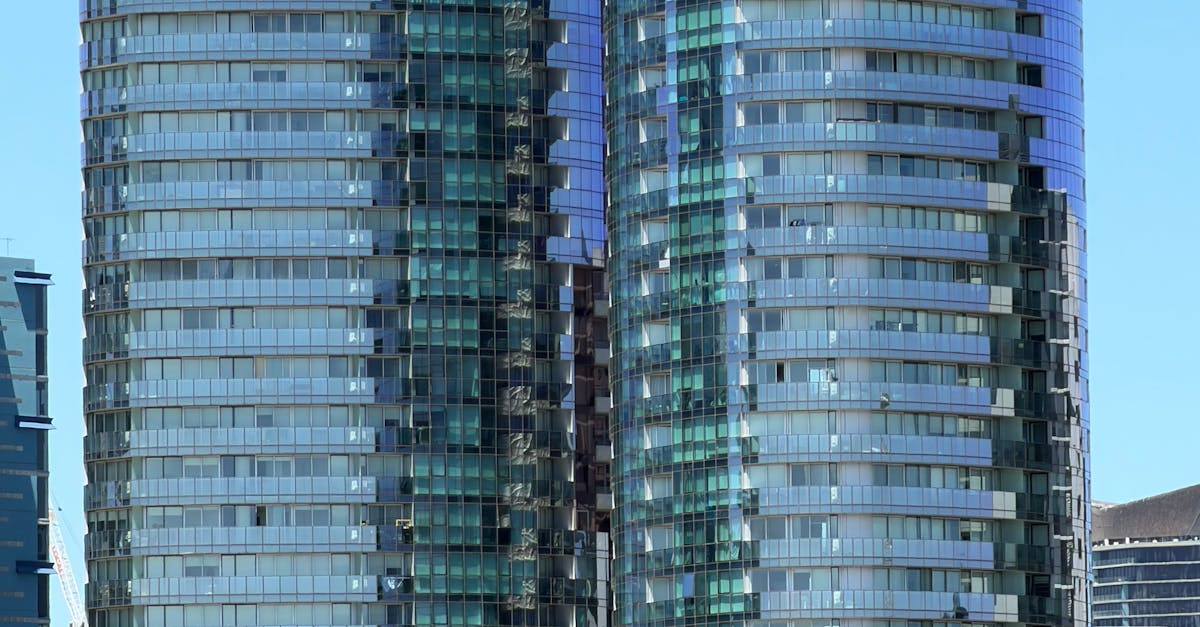
An Overview of Green Roof Systems for Melbourne's Buildings
Table Of Contents
Maintenance Requirements
Proper upkeep is essential for the success of green roof systems. Routine maintenance ensures the health of vegetation and prevents potential structural issues. Regular inspections should focus on the condition of the plants, soil moisture levels, and the integrity of drainage systems. Removing debris and weeds is also critical, as they can compete with native plants for essential resources.
Scheduled maintenance should be supplemented with seasonal check-ups, especially after extreme weather events. During the warmer months, additional watering may be required to maintain plant health. Winter preparations can include addressing drainage issues and ensuring that snow or ice does not accumulate excessively on the vegetation. Adhering to a structured maintenance regime can significantly extend the lifespan and functionality of green roofs.
Ensuring Longevity and Health of Green Roofs
Regular maintenance is vital for the sustainability of green roofs. Routine inspections help identify potential issues before they escalate. This includes checking for drainage problems, plant health, and signs of pests or disease. Timely intervention can prevent minor inconveniences from developing into significant complications, ensuring that the green roof continues to thrive.
Sustainable irrigation practices are essential for maintaining a healthy ecosystem. Using rainwater harvesting systems can reduce reliance on municipal water and promote environmental benefits. Additionally, selecting appropriate plants that can withstand Melbourne’s climate ensures that the green roof remains resilient during challenging weather conditions. A well-structured maintenance plan will support the longevity of the green roof while contributing to the overall environmental sustainability of urban landscapes.
Choosing the Right Vegetation
Selecting appropriate plant species is essential for the success of green roofs in Melbourne. Local climate conditions, characterised by warm summers and cool winters, influence the plant choices available. Native and drought-resistant plants are ideal as they require less water and maintenance. Varieties such as succulents, grasses, and flowering species thrive in these environments, offering visual appeal while supporting local biodiversity.
Consideration of growth patterns and root systems also plays a crucial role in plant selection. Shallow-rooted plants typically suit green roofs better than deep-rooted varieties. The limited soil depth requires species that can withstand these constraints. Moreover, while selecting plants, incorporating a mix of textures and colours enhances aesthetic value and creates a more resilient ecosystem within the green roof, contributing to its overall health and sustainability.
Plant Selection for Melbourne's Climate
Selecting the right vegetation is critical for the success of green roofs in Melbourne's unique climate. The city experiences a temperate oceanic climate, characterised by warm to hot summers and cool, mild winters. Native species that can withstand periods of drought as well as heavy rainfall are ideal. Consideration should also be given to the roof's exposure to sunlight and wind, as these elements influence plant survival and growth.
Hardy and low-maintenance plants are preferred for these systems. Succulents, grasses and traditional Australian natives such as kangaroo paw and native lily are suitable options. These plants not only thrive in Melbourne's conditions but also contribute to local biodiversity. Additionally, incorporating a mix of vegetation layers can enhance insulation and improve stormwater management, creating a sustainable environment that supports both aesthetic appeal and ecological health.
Regulatory and Planning Guidelines
In Melbourne, the implementation of green roof systems necessitates careful navigation of various regulatory frameworks. Local planning schemes often impose restrictions on building heights, site coverage and landscaping requirements. Developers are encouraged to consult the Melbourne Planning Scheme, which outlines specific guidelines for integrating green infrastructure. Engaging with local councils early in the design process can help clarify any compliance issues and ensure that proposed green roofs align with both aesthetic and environmental objectives.
Building codes also play a crucial role in the installation and maintenance of green roofs. Compliance with the National Construction Code and other relevant Australian standards is essential to ensure structural integrity and safety. These codes address drainage, load-bearing considerations, and waterproofing measures. Familiarity with these regulations is vital for architects, builders, and landscape designers to create successful and sustainable green roof systems that contribute positively to the urban environment.
Navigating Local Building Codes
Understanding local building codes is crucial for anyone considering the installation of a green roof. Melbourne's regulations can be complex, covering aspects from structural integrity to environmental impact. It's essential to consult with local authorities to ensure compliance with all relevant standards. This may include obtaining necessary permits and adhering to specific design guidelines that reflect sustainability goals.
Engaging with professionals familiar with Melbourne's codes can provide valuable insights. They can assist in navigating the multifaceted requirements, ensuring that the design and installation align with both aesthetic goals and legal expectations. This proactive approach not only simplifies the process but also enhances the likelihood of a successful project that harmonises with the urban environment.
FAQS
What are the main maintenance requirements for green roofs in Melbourne?
The main maintenance requirements for green roofs in Melbourne include regular irrigation, weed control, pest management, and periodic inspections to ensure plant health and structural integrity.
How can I ensure the longevity and health of my green roof?
To ensure longevity and health, it's important to choose suitable vegetation, maintain a proper irrigation system, conduct regular inspections, and address any issues promptly to prevent larger problems.
What types of vegetation are suitable for Melbourne's climate?
Suitable vegetation for Melbourne's climate includes drought-tolerant and native plant species, such as succulents, herbs, and ground covers that can withstand both hot summers and cold winters.
What should I consider when selecting plants for a green roof?
When selecting plants for a green roof, consider factors such as sun exposure, water requirements, growth habits, and the ability to thrive in the rooftop environment with limited soil depth.
Are there any regulatory or planning guidelines for installing green roofs in Melbourne?
Yes, there are regulatory and planning guidelines that vary by local council. It's essential to check with local authorities to ensure compliance with building codes and environmental regulations before installation.
Related Links
The Role of Wood Shakes in Sustainable Melbourne RoofingEnhancing Aesthetics with Fibreglass Roofing Solutions
Pros and Cons of Thatch Roofing in Melbourne's Climate
The Rise of Plastic Roofing Materials in Melbourne
Choosing the Right Membrane for Flat Roofs in Melbourne
The Benefits of Clay Tiles in Melbourne Roofing
Innovative Use of Slate in Urban Melbourne Roofing
Comparing Asphalt Shingles and Metal Roofing in Melbourne
Understanding Steel Roofing Options for Melbourne Homes