The Role of Flat Roofs in Efficient Stormwater Management
Table Of Contents
Green Roof Integration
The incorporation of green roofs has gained traction as urban areas seek sustainable solutions to manage stormwater. These systems consist of vegetation planted on roofs, which play a crucial role in absorbing rainwater. By capturing rain at the source, green roofs significantly reduce the volume of runoff that enters stormwater drains. Additionally, they mitigate the urban heat island effect, contributing to improved air quality and enhanced biodiversity within cities.
Implementing green roofs also provides thermal insulation for buildings, leading to reduced energy consumption for heating and cooling. However, successful integration requires careful planning and maintenance. Selecting appropriate plant species that thrive in local climates is essential for long-term viability, as is establishing a robust drainage system to prevent waterlogging. Through these strategies, green roofs become not just aesthetic enhancements but vital components in creating resilient urban infrastructures.
Enhancing Stormwater Absorption
Flat roofs can be designed to significantly improve stormwater absorption through specific materials and system integrations. The use of permeable membranes allows rainwater to infiltrate the roof structure rather than simply run off into drainage systems. Various types of aggregate materials, such as gravel or specialised soils, can also create a suitable environment for capturing and holding rainfall. Additionally, incorporating features like detention basins or channels helps manage excess water during heavy precipitation.
Another effective method is the installation of bio-retention systems, which can filter pollutants while allowing water to seep through vegetation. These systems not only enhance absorption but also contribute to urban biodiversity. Implementing a layered approach with appropriate drainage mechanisms ensures that stormwater is retained and recycled effectively, reducing the likelihood of urban flooding. Thoughtful integration of these elements in flat roof designs promotes resilience in urban environments against climate variations.
Case Studies of Flat Roof Applications
Urban environments provide unique opportunities for innovative flat roof applications. Some projects have successfully integrated green roofs to capture and manage stormwater effectively. For example, a commercial building in Melbourne has adopted a modular green roof system. This design not only enhances aesthetics but also reduces peak stormwater runoff during heavy rain events.
Another notable instance can be found in Sydney, where a residential building incorporated a partially vegetated roof. This approach allows for increased biodiversity while also facilitating efficient stormwater absorption. The plants used in these systems play a crucial role in managing rainwater. Their root systems help retain moisture and reduce the speed at which water drains off surfaces.
Successful Projects in Urban Environments
In the bustling heart of Sydney, a notable project has exemplified the benefits of flat roofs in stormwater management. The green roof atop the Central Park development not only contributes to biodiversity but also effectively absorbs rainwater, reducing the immediate runoff into the city’s drainage system. By integrating a layered system of vegetation and soil, the developers created an ecosystem that mitigates flood risks during heavy rains while enhancing the aesthetic appeal of the urban landscape.
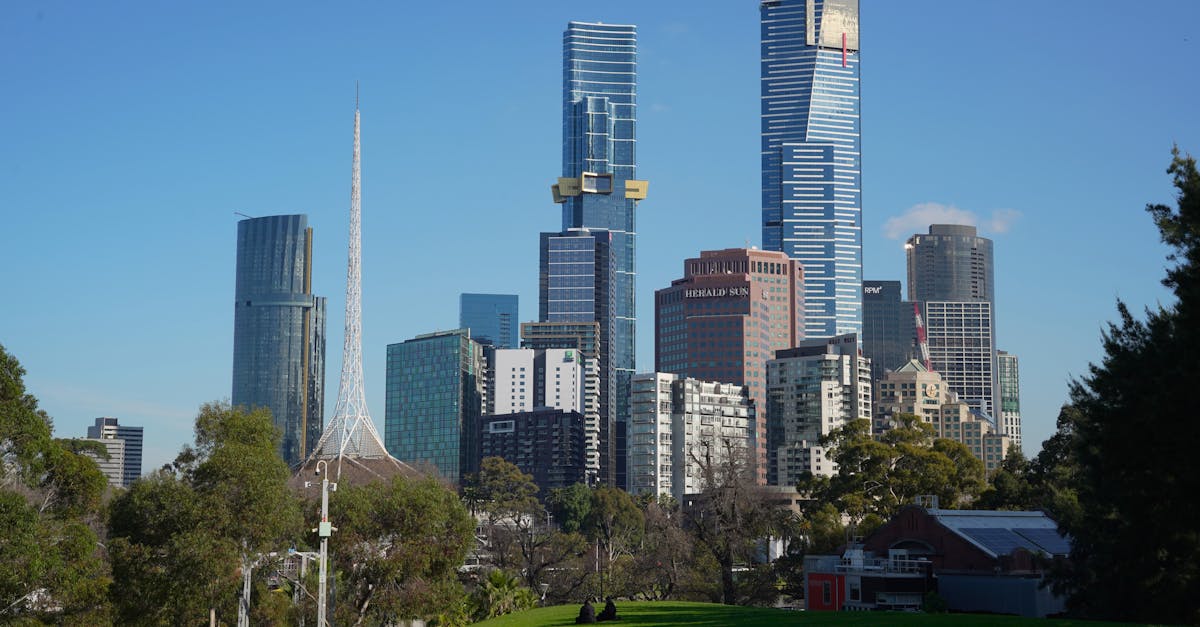
Melbourne has also seen innovative applications of flat roofing solutions in its urban settings. The Australian National Gallery, for instance, utilises a flat roof equipped with a sophisticated drainage system designed to retain and filter stormwater. This system significantly decreases the volume of water that enters the municipal system, addressing both environmental concerns and the city’s infrastructure challenges. The successful implementation of such projects showcases the versatility and effectiveness of flat roofs in managing stormwater sustainably in urban areas.
Maintenance of Flat Roofs
Regular maintenance is crucial for flat roofs to ensure their longevity and effectiveness in stormwater management. Inspecting the roof for damage, debris accumulation, and signs of wear should be conducted at least twice a year. This proactive approach can help identify potential issues before they escalate. Cleaning gutters and drainage systems prevents water blockage, allowing for efficient runoff management. Moreover, surface inspections for cracks or membrane deterioration enable timely repairs, preserving the integrity of the roofing system.
Adopting best practices can significantly enhance the durability of flat roofs. Using high-quality materials that are UV resistant not only extends the lifespan but also improves overall performance during extreme weather events. Incorporating biophilic elements such as green roofs can enhance insulation and water retention, necessitating additional checks for plant health and root systems. Establishing a maintenance schedule tailored to the unique environmental conditions of the area further optimises roof performance and stormwater management capabilities.
Best Practices for Longevity and Efficiency
Regular inspections play a crucial role in maintaining flat roofs. Identifying potential issues early can prevent costly repairs down the line. Inspecting for signs of wear, such as cracks, blisters, or pooling water, ensures that the integrity of the roof is upheld. Additionally, keeping gutters and drains clear of debris allows for proper water flow, reducing the risk of leaks or water accumulation.
Utilising high-quality materials is essential for enhancing the lifespan of flat roofs. Investing in durable membranes and insulation can significantly improve performance, particularly in harsh weather conditions. Implementing a functional drainage system further aids in managing stormwater effectively. Ensuring that vegetation used in green roofs is appropriately selected and maintained helps to promote a balanced ecosystem while enhancing thermal performance.
FAQS
What are the benefits of integrating green roofs into flat roof designs?
Green roofs enhance stormwater absorption, reduce urban heat, improve air quality, and provide additional insulation, contributing to more sustainable urban environments.
How do flat roofs improve stormwater management?
Flat roofs can be designed to capture and store rainwater, allowing for controlled drainage and reducing the risk of flooding, while also promoting the infiltration of water into the soil.
Can you provide examples of successful flat roof projects in urban settings?
Yes, various cities have implemented flat roof projects that include green roofs, rainwater harvesting systems, and permeable materials, resulting in improved stormwater management and enhanced urban landscapes.
What maintenance practices are recommended for flat roofs?
Regular inspections, cleaning of drainage systems, and monitoring plant health on green roofs are essential for maintaining their functionality and longevity.
How do flat roofs contribute to sustainability beyond stormwater management?
Besides managing stormwater, flat roofs can also enhance energy efficiency, reduce carbon footprints, and provide habitat for wildlife, making them a vital component of sustainable architecture.
Related Links
Flat Roofs: A Sustainable Choice for Modern EnterprisesEnhancing Outdoor Spaces with Flat Roof Access
Aesthetic Appeal of Flat Roofs for Business Premises
Long-Term Durability of Flat Roofs for Commercial Use
Flat Roof Design Options for Contemporary Commercial Buildings
Maximising Space with Flat Roofs for Urban Businesses